Cities & Towns
Turn streets, landmarks and public spaces into living community archives.
How it works
Let It Speak is designed so that the technology disappears and the place remains the hero. Here is what happens, step by step, for a visitor and for the organization caring for the location.
A small tag, about an inch across, marks a place with stories to tell. It carries a leaf, a short invitation and a code. Nothing more.
Visitors scan the code with any smartphone camera. There is no app to download and no account to create in order to listen.
The story opens instantly: voices, video, photographs, historical context and personal reflections tied to the exact place where the visitor is standing.
Where the managing organization enables it, community members can add their own memories, photographs, audio, video and reflections — reviewed before publication.
A Let It Speak marker is meant to be found, not noticed. It is a tag the size of a coin, in bronze or a finish matched to the place, set where a curious visitor will see it and a passer-by never will. Think of a maker's mark on the underside of a bowl: a small sign that there is more here for anyone who wants to look. The artwork, the monument, the tree and the view are never interrupted. If a tag would change how a place looks or feels, we do not place it.
The marker
Every Let It Speak marker is the same small thing: a tag about an inch across, bronze or matched to the material around it, carrying a leaf, “Scan to hear my story” and a code. It is held with a conservation-grade adhesive on a discreet spot the steward chooses: the base or pedestal of a sculpture, the edge of a plaque, the back of a sign, the frame of a label. Never on the sculpted work itself. Nothing is drilled. It goes on in a minute and comes off in a minute, without a mark. If you decide you don't want it, take it off.
One tag, or a few
A single tag can open a comprehensive experience. A larger site may later carry a few — personal stories, historical context, community heritage, reflection. The architecture follows the site.
The invitation
A Let It Speak marker is not signage. It is a tag the size of a coin, placed where a curious visitor will find it and a passer-by never will. Nothing is drilled or built. The work itself is never touched. If it would change how a place looks or feels, we don't install it.
The place is the hero.The marker is the invitation.The page is the experience.The voices create the connection.The community keeps the story alive.
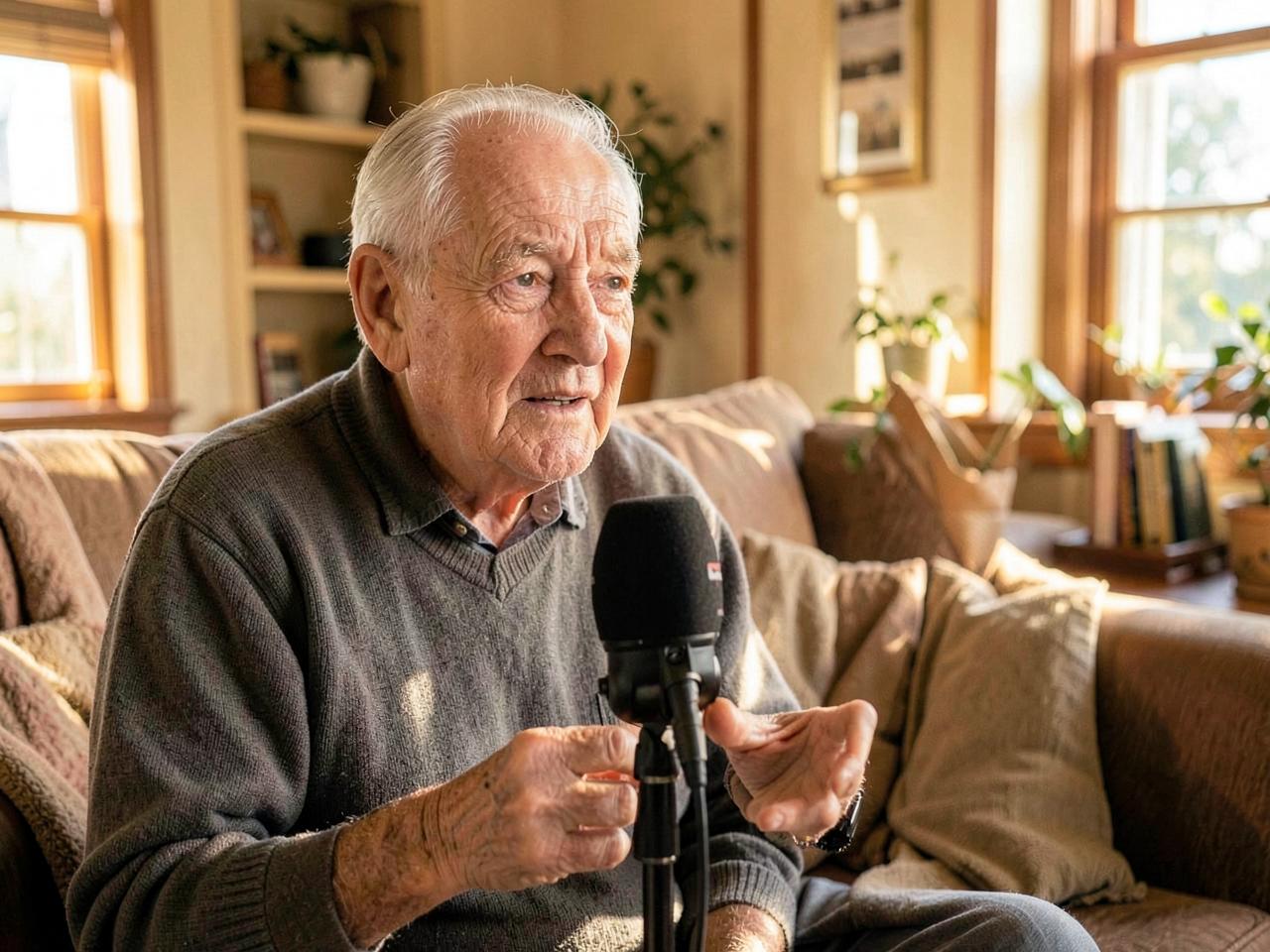
Collecting the stories
Over time
That is what separates a living archive from a QR-code sign. A page that opens with one recording can hold hundreds of voices a generation later.
Who Let It Speak is for
Turn streets, landmarks and public spaces into living community archives.
Extend interpretation beyond the exhibit label and preserve voices that deepen understanding.
Bring archives into the places where history actually happened.
Connect landscapes with environmental, cultural and personal stories.
Preserve campus traditions, institutional history and generations of voices.
Connect memorials with the voices and lives behind the names.
Let artists explain their work and communities respond to it.
Preserve the human stories behind names that otherwise risk becoming only inscriptions.
Capture the people, businesses and traditions that give neighborhoods their identities.
See it as a visitor would
No app. No account. Just a place, a voice and the stories around it. Open a sample story page and see the whole experience.
Open the sample story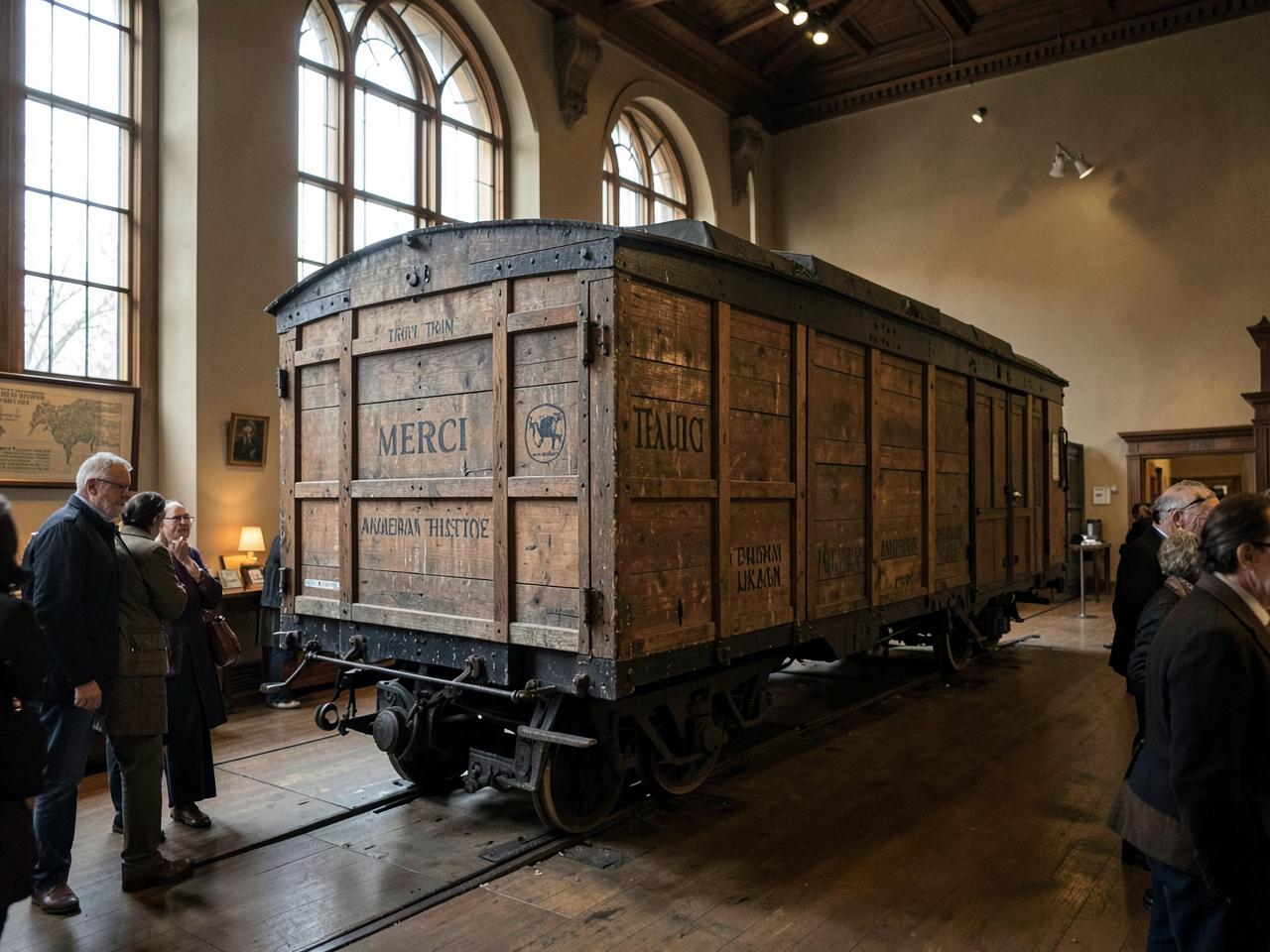
Merci Train Boxcar
History · Sample page
Individual locations can be linked into story trails and Community Story Networks, so one scan leads naturally to the next place worth knowing. Visitors also see what's nearby, and a walk becomes a way of learning where you live.